

Politics vs. Drought
Montana needs leadership built for resilience, fair markets, and survival.
As debate continues surrounding the farm bill, it’s clear.
To prepare for a volatile future with unpredictable weather and markets, we need the structural reforms independent farmers and ranchers have demanded for years: mandatory Country of Origin Labeling, right to repair protections, stronger anti-trust enforcement, and meaningful limits on how much the largest operations can capture through federal subsidies.
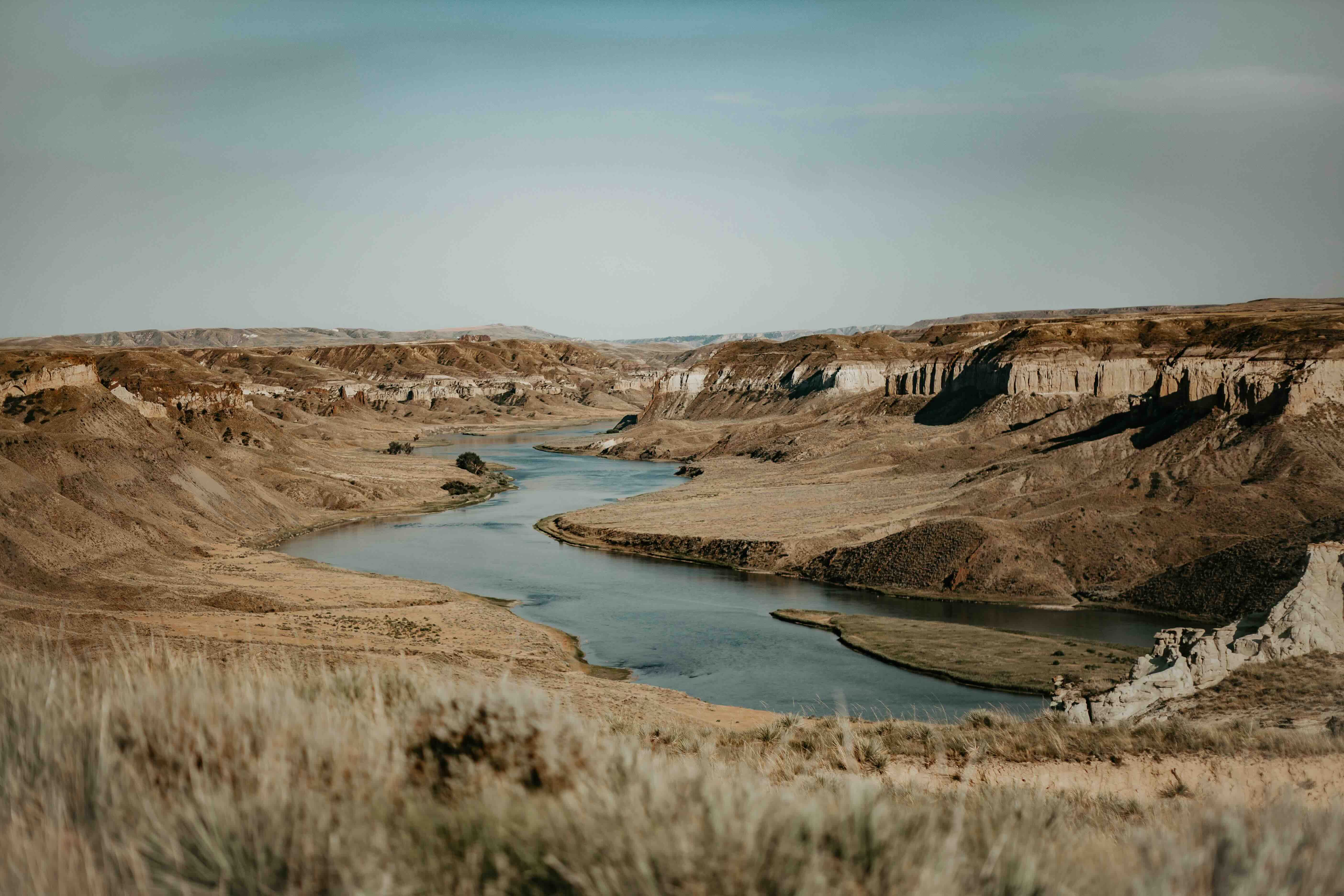
Montana already lives under persistent drought pressure, rising climate variability, and increasingly unpredictable weather swings. The U.S. Drought Monitor and NOAA have repeatedly documented long-term drought stress across large portions of Montana and the Northern Plains, where reduced snowpack, hotter summers, earlier runoff, and prolonged dry periods threaten both crop yields and rangeland stability.
USDA and climate researchers continue warning that Montana faces growing risks from water scarcity, forage loss, heat stress on livestock, and volatile production cycles.
For Montana wheat growers, barley producers, cattle operators, and pulse farmers, drought is no seasonal inconvenience. Drought changes planting decisions, grazing patterns, feed costs, irrigation access, wildfire exposure, and land value.
Montana’s future will depend on whether federal policy starts treating drought resilience as central agricultural policy rather than an afterthought.
A serious Montana-first farm strategy should include:
Strong public school funding so rural communities remain viable when agricultural economies tighten
Stronger support for small and mid-sized producers rather than systems that disproportionately reward consolidation
Mandatory COOL so Montana producers can compete in transparent markets
National right to repair protections so producers control their own machinery and costs
Anti-trust enforcement in meatpacking, seed, fertilizer, and equipment sectors
Major investment in drought science, irrigation modernization, watershed resilience, and agricultural research
This is where Senate leadership matters. Montana needs leadership willing to fight for water security, market fairness, rural schools, and science-based adaptation.
The coming decades will likely bring more climate volatility, not less. More severe drought cycles, larger swings between flood and dry years, and increasing pressure on both public infrastructure and private producers are already shaping agricultural planning across the West.
Montana’s farm families cannot control global climate patterns alone, but Montana’s leadership can control whether producers enter that future with better tools or greater vulnerability.
There’s no question whether drought will shape Montana agriculture. Montana simply needs to build a policy strong enough to help family farms survive.
Washington thinks they can stabilize agriculture without fully confronting who controls the markets, equipment, pricing power, and long-term resilience of rural America. We know better in Montana.
A real farm bill needs to prepare Montana for the reality already unfolding across our fields, rangelands, and rural towns: persistent drought, hotter summers, volatile markets, and growing corporate control over the systems producers rely on.
We need hard work and structural reform, not political theater.
I don't hear any other senators talking about a how a farm bill affects most of MT, even if they are not all active farmers. I also don't hear about any progress on the Big Ugly bill and it's effects on Medicaid and Medicare and rural hospital's sustainability.This is just a small sliver of issues I am concerned about , thanks for listening. Gale